NEW RELEASE:
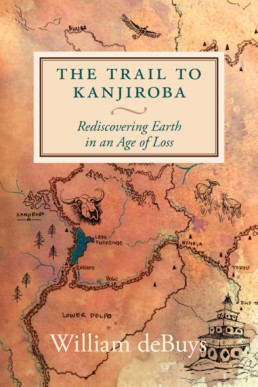
The Trail to Kanjiroba:Rediscovering Earth in an Age of Loss
Bill deBuys is one of the planet’s great observers, and this may be his masterwork—a story of an exploration, of Nepal, but also of the present and future of this planet. Caring for that world, and all that’s in it, is necessary, painful, and as he makes clear, exquisitely beautiful work.
—Bill McKibben, author The End of Nature
NEW RELEASE:
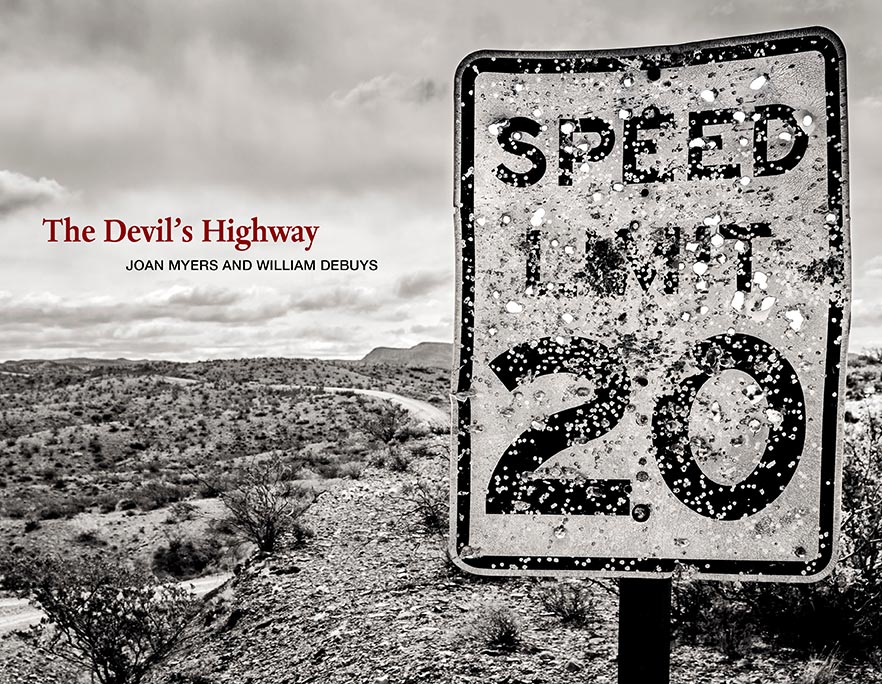
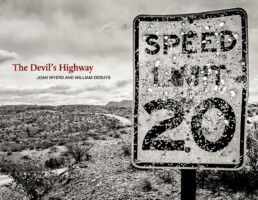
The Devil's HighwayOn the Road in the American West
Joan Myers’ images in this new collection are more personal, more elegiac—and all black-and-white. They bear witness to the fracturing of the American Dream, the demise of cowboy culture, and the shrinking of small towns, ranches, and farms throughout western rural America. The themes she examines are reflected in The Devil’s Highway, a powerfully evocative short story by Pulitzer finalist William deBuys, first published in 1992 in Story magazine and reproduced here for the first time.
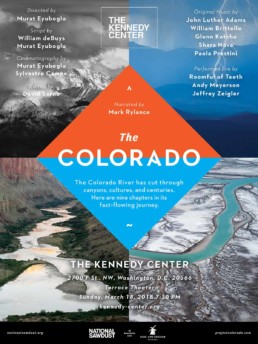
The Colorado
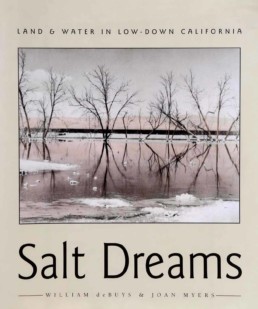
A Murat Eyuboglu film, inspired by deBuys’s 1999 book Salt Dreams. deBuys is credited as co-screen writer (with Eyuboglu) and lyricist. The concert version debuted on April 12, 2016 in Houston followed by a May 18, 2016 performance at The Metropolitan Museum of Art in New York. The film’s screening schedule is at www.projectcolorado.com.
NEW RELEASE:
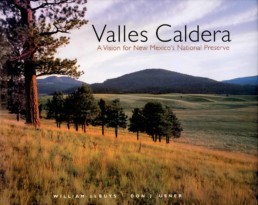
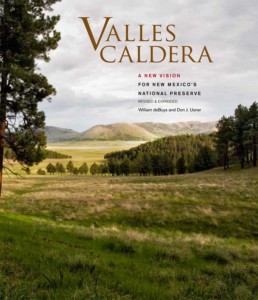
Valles CalderaA New Vision for New Mexico's National Preserve
Revised and expanded edition out now
NEW RELEASE:
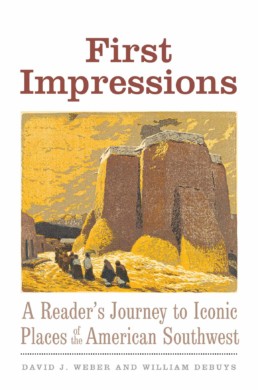
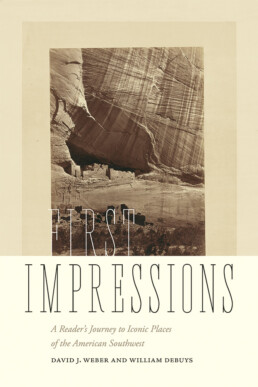
First ImpressionsA Reader’s Journey to Iconic Places of the American Southwest (The Lamar Series in Western History)
Paperback edition out now
NEW RELEASE:
The Trail to Kanjiroba:Rediscovering Earth in an Age of Loss
Bill deBuys is one of the planet’s great observers, and this may be his masterwork—a story of an exploration, of Nepal, but also of the present and future of this planet. Caring for that world, and all that’s in it, is necessary, painful, and as he makes clear, exquisitely beautiful work.
—Bill McKibben, author The End of Nature
NEW RELEASE:
The Devil's HighwayOn the Road in the American West
Joan Myers’ images in this new collection are more personal, more elegiac—and all black-and-white. They bear witness to the fracturing of the American Dream, the demise of cowboy culture, and the shrinking of small towns, ranches, and farms throughout western rural America. The themes she examines are reflected in The Devil’s Highway, a powerfully evocative short story by Pulitzer finalist William deBuys, first published in 1992 in Story magazine and reproduced here for the first time.
The Colorado
A Murat Eyuboglu film, inspired by deBuys’s 1999 book Salt Dreams. deBuys is credited as co-screen writer (with Eyuboglu) and lyricist. The concert version debuted on April 12, 2016 in Houston followed by a May 18, 2016 performance at The Metropolitan Museum of Art in New York. The film’s screening schedule is at www.projectcolorado.com.
NEW RELEASE:
Valles CalderaA New Vision for New Mexico's National Preserve
Revised and expanded edition out now
NEW RELEASE:
First ImpressionsA Reader’s Journey to Iconic Places of the American Southwest (The Lamar Series in Western History)
Paperback edition out now
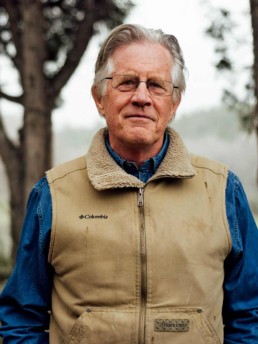
Photo Credit: Ben Moscona
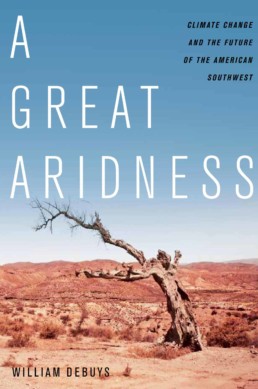
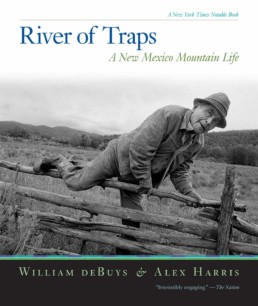
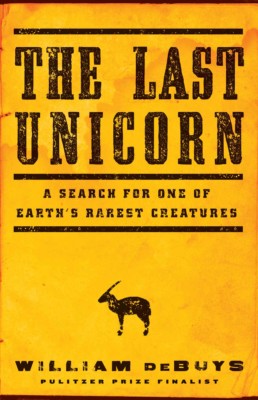
Conservationist and writer William deBuys is the author of ten books. They include The Last Unicorn: A Search for One of Earth’s Rarest Creatures (listed by the Christian Science Monitor as one of the ten best non-fiction books of 2015); A Great Aridness: Climate Change and the Future of the American West (winner of the Weber-Clements Prize for best book on the Southwest in 2011); and River of Traps (a 1991 Pulitzer Prize finalist). His most recent book, The Trail to Kanjiroba: Rediscovering Earth in an Age of Loss, will appear in August 2021. He has been a Kluge Distinguished Visiting Scholar at the Library of Congress (2018), a Guggenheim Fellow (2008-2009), and a Lyndhurst Fellow (1986-1988). He was the founding Chair of the Valles Caldera Trust, responsible for administering the 89,000-acre Valles Caldera National Preserve in northern New Mexico (2001-2004). He lives on the farm he has tended since 1976 in the remote village of El Valle in New Mexico’s Sangre de Cristo mountains. Read More…